One effective way to engage young learners in English is by making practice fun. In our recent lesson, we played a lively game called “I’ve Got… Who’s Got…?” to help students use the phrase “I’ve got…” and practice vocabulary. This simple game keeps students active while they improve their speaking, listening, and comprehension skills.
Preceding Activities:
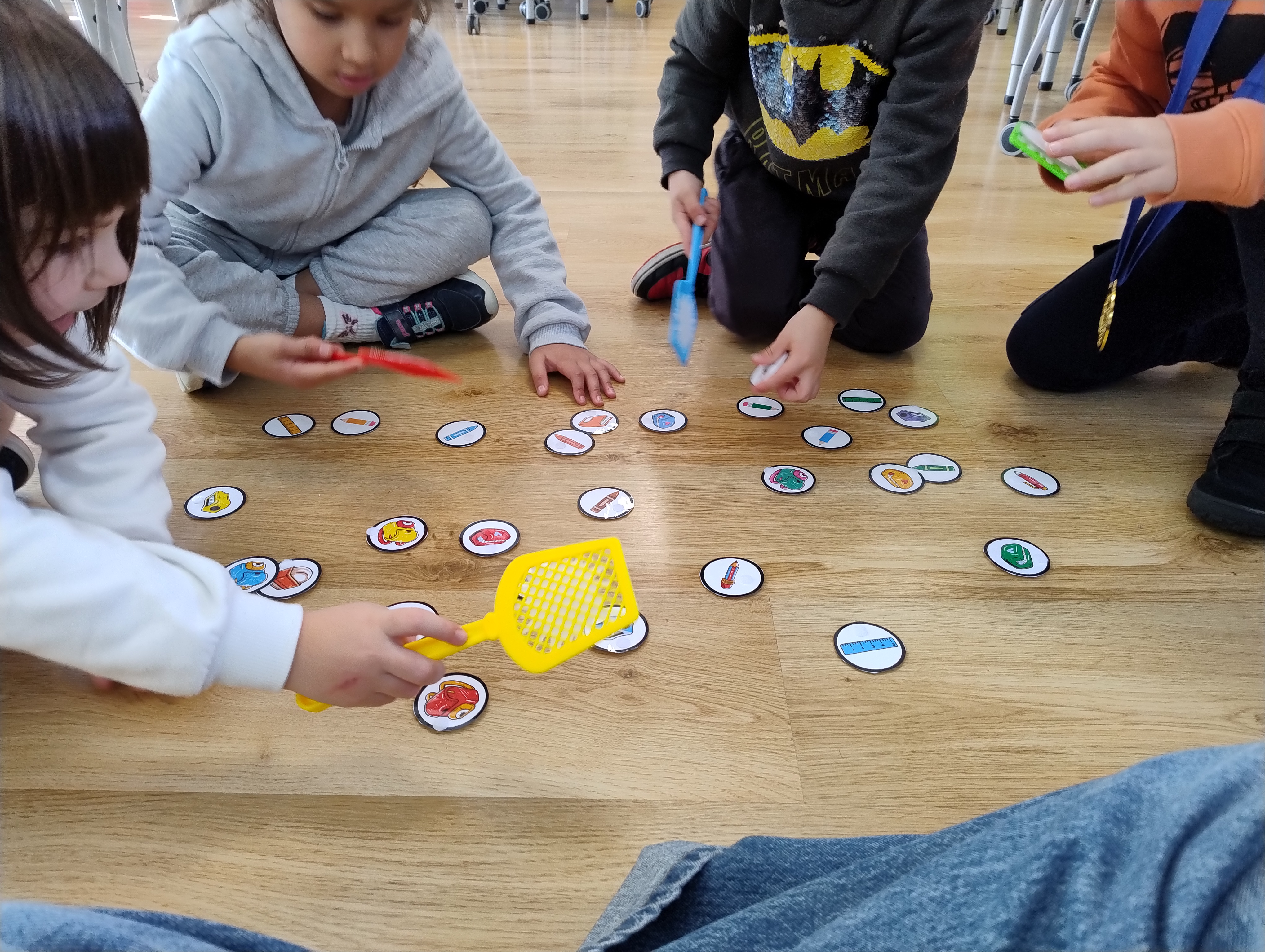
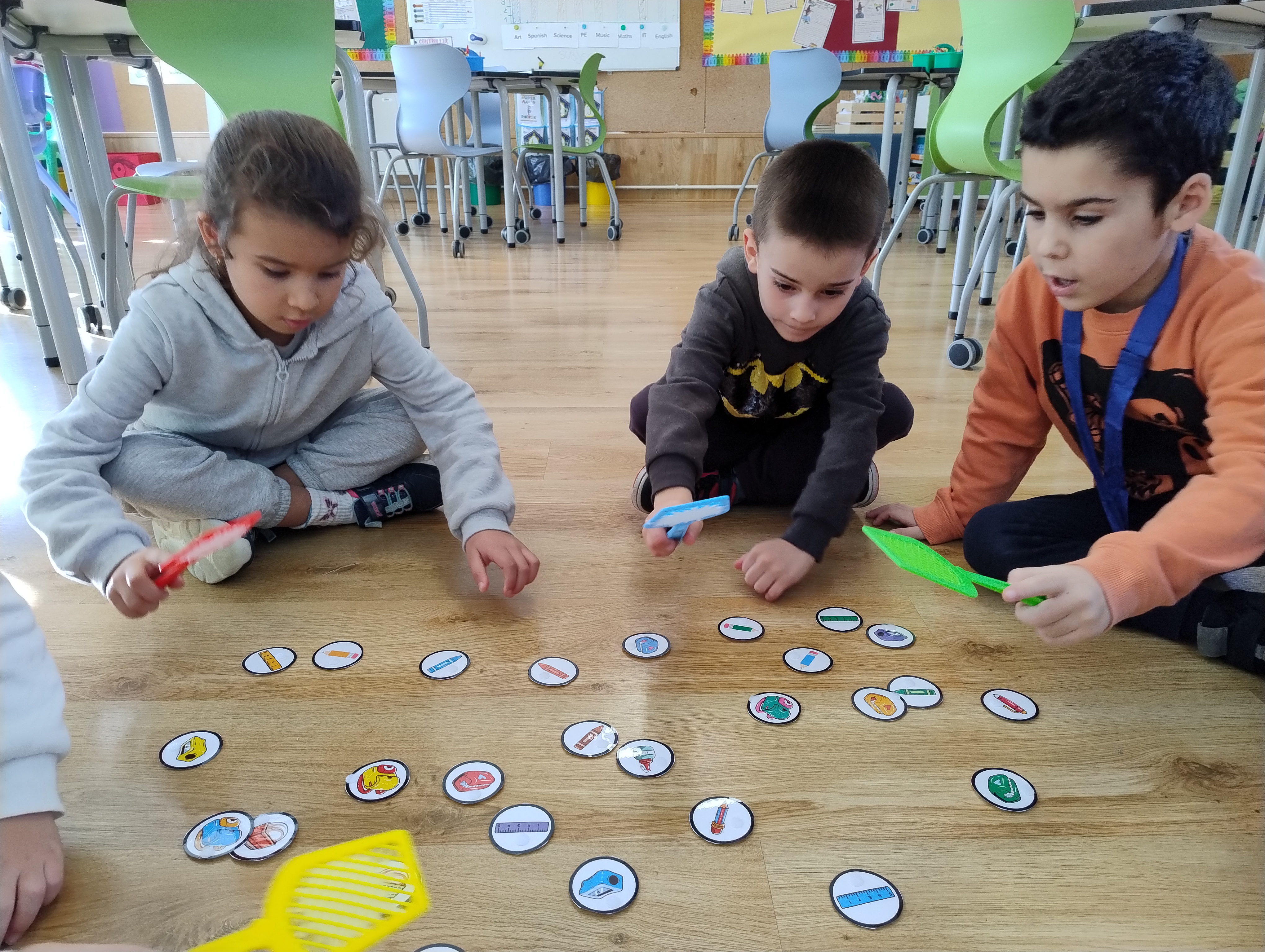
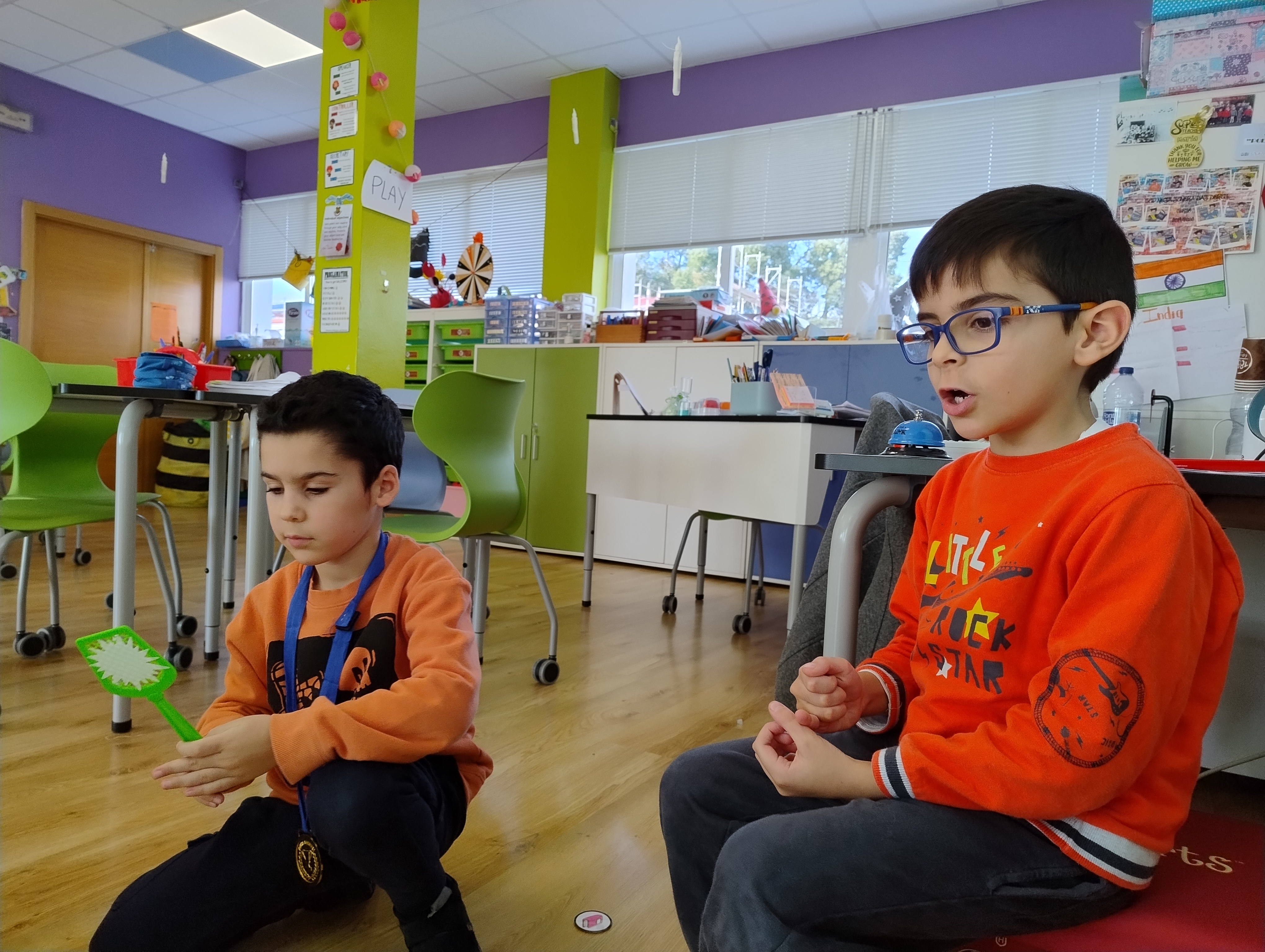
Before the “I’ve Got… Who’s Got…?” game, we engaged in enjoyable speaking activities to practice the phrase “I’ve got…” and learn about classroom objects. Activities included using flashcards and flycatcher cards, making learning hands-on and exciting. Students had fun, gained confidence in using the phrase, and were motivated enough to lead the activity themselves, demonstrating the effectiveness of engaging learning experiences.

How to Play:
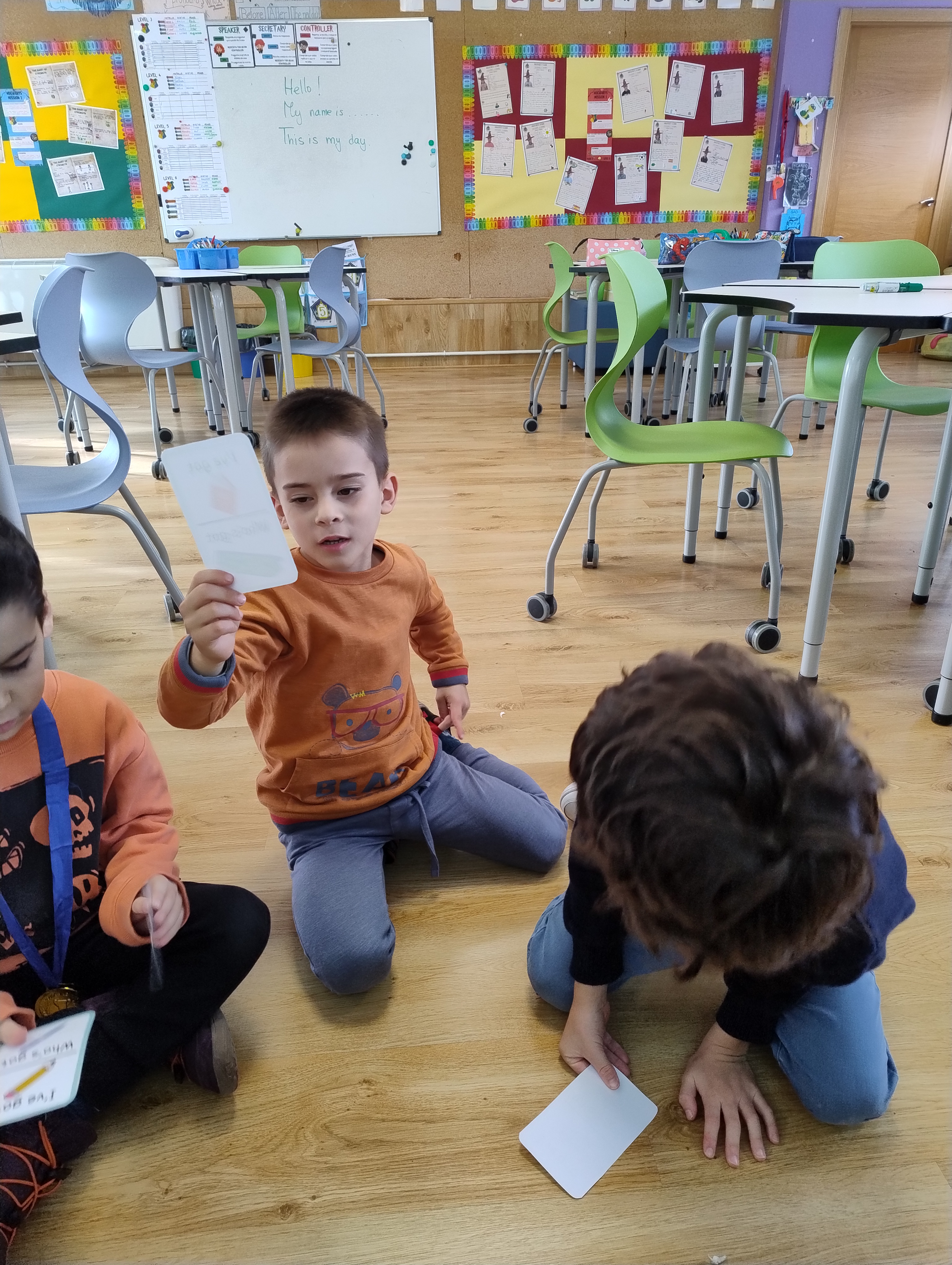
- Prepare Flashcards: To prepare the game, we created flashcards that include two key elements. First, each card features a drawing of the object that the student is holding. Then, at the bottom of each card, we wrote the object they need to ask about.The idea is for students to look at the drawing of their object and form the correct question to interact with their classmates.This visual format helps students connect the words with images and makes it easier and more fun for them to form questions.
- Start the Game: The teacher begins by holding up a flashcard and saying, “I’ve got a…” followed by the name of the item. For example, “I’ve got a pencil.”
- The Challenge: The teacher asks, “Who’s got a…?” while showing a flashcard, encouraging students to keep playing. For example, “Who’s got a book?”
- Student Responses: The student with the flashcard says, “I’ve got a book!” and then asks, “Who’s got a…?” for another object.
- Continue the Cycle: The game keeps going as students pass the cards, making the activity fun and engaging.
Benefits of the Activity:
- Encourages Participation: Students engage by asking questions or answering, making the activity interactive.
- Promotes Speaking Confidence: Using the structure “I’ve got…” helps students speak confidently in front of peers, building their confidence.
- Improves Listening Skills: Students must listen to the questions and answers to know when it’s their turn. This encourages active listening and enhances comprehension.
- Reinforces Vocabulary: The activity strengthens vocabulary about classroom objects (or other topics) in a context that makes the words easier to remember.
- Builds Teamwork: This activity encourages students to work together, fostering community and cooperation in the classroom.
Why It’s a Great Classroom Activity:
The “I’ve Got… Who’s Got…?” game is a great way to practice sentence structures and vocabulary while getting students involved. It’s flexible and can fit different levels and topics. Additionally, it helps with speaking, listening, and writing skills, making it a useful classroom activity.
Moreover, the excitement and energy in this game create a fun and positive learning environment where students feel motivated to join in and use English more confidently.
CLICK THE LINKS TO GET THE FREE PRINTABLES
Unha das mellores maneiras de captar a atención dos estudantes e ensinar inglés de forma divertida é a través de xogos interactivos. Recentemente, utilizamos a actividade “I’ve Got… Who’s Got…?” para practicar a estrutura “I’ve got…” e reforzar vocabulario. É un xogo sinxelo, pero moi eficaz, que mantén os estudantes activos mentres practican habilidades orais, de escoita e de comprensión.
Actividades Previas:
Antes de xogar ao xogo “I’ve Got… Who’s Got…?”, realizamos actividades lúdicas orais para reforzar a estrutura “I’ve got…” e o vocabulario. Estas actividades, que incluían tarxetas e tarxetas matamoscas, foron interactivas e atraentes, permitindo aos estudantes identificar obxectos de maneira divertida. Ao final da lección, os estudantes estaban tan motivados que foron capaces de dirixir a actividade eles mesmos, demostrando así a efectividade das dinámicas de aprendizaxe interactivas.
Como xogar:
- Prepara as Tarxetas: Para preparar o xogo, creamos tarxetas que inclúen dous elementos clave. Primeiro, en cada tarxeta aparece un debuxo do obxecto que o estudante debe ter. Despois, na parte inferior de cada tarxeta, escribimos o obxecto polo que deben preguntar. A idea é que os estudantes, ao ver o debuxo do seu obxecto, poidan formar a pregunta correcta para interactuar cos seus compañeiros de clase.
- Este formato visual axuda a que os estudantes relacionen as palabras coas imaxes e os axuda a formar as preguntas de maneira máis fácil e divertida.
- Comeza o Xogo: O mestre mostra unha tarxeta e di: “I’ve got a…” seguido do nome do obxecto. Por exemplo, “I’ve got a pencil.”
- O reto: O mestre pregunta “Who’s got a…?” mentres mostra outra tarxeta, facendo que os estudantes continúen o xogo. Por exemplo, “Who’s got a book?”
- Respostas dos Estudantes: O estudante que teña o obxecto correspondente (ou a tarxeta) responde dicindo “I’ve got a book!” e continúa o xogo facendo a súa propia pregunta, como “Who’s got a…?” con outro obxecto.
- Seguir o ciclo: O xogo continúa a medida que os estudantes se van pasando as tarxetas e mantén a actividade animada e divertida.
Beneficios da Actividade:
- Fomenta a participación activa: Todos os estudantes participan, xa sexa facendo preguntas ou respondendo, o que fai que todos estean comprometidos na actividade.
- Aumenta a confianza ao falar: A estrutura “I’ve got…” permite aos estudantes practicar falando de maneira estruturada e con confianza. Gañan seguridade ao falar en público.
- Mellora as habilidades de escoita: Os estudantes deben escoitar atentamente as preguntas e respostas para identificar cando lles toca falar, o que mellora a súa comprensión oral.
- Reforza o vocabulario: O xogo axuda a fixar vocabulario relacionado cos obxectos da clase (ou outros temas) nun contexto que fai que as palabras sexan máis fáciles de recordar.
- Fomenta o traballo en equipo: É unha actividade colaborativa na que os estudantes deben traballar xuntos, o que promove un sentido de comunidade e cooperación na aula.
Por que é unha boa actividade para a aula:
O xogo “I’ve Got… Who’s Got…?” é unha ferramenta útil para practicar gramática, vocabulario e a participación activa. É flexible e pódese adaptar a diferentes niveis e temas. Tamén se pode usar para mellorar habilidades como a expresión oral, a escoita e a escritura, o que o fai moi versátil para a aula.
A enerxía e emoción do xogo axudan a crear un ambiente de aprendizaxe positivo, onde os estudantes se senten motivados para participar e usar o inglés con máis confianza.







 Our English Corner's Blog
Deixar un comentario