Speaking English through movement and interaction

In our English lessons, speaking is essential. One of the activities we use to practise oral structures in a dynamic and motivating way is Walking Dialogues.
This activity helps children speak, move, interact and enjoy learning English at the same time.
Objective of the activity
- Practise oral structures worked on in class
- Encourage oral interaction between classmates
- Improve confidence when speaking English
How does Walking Dialogues work?
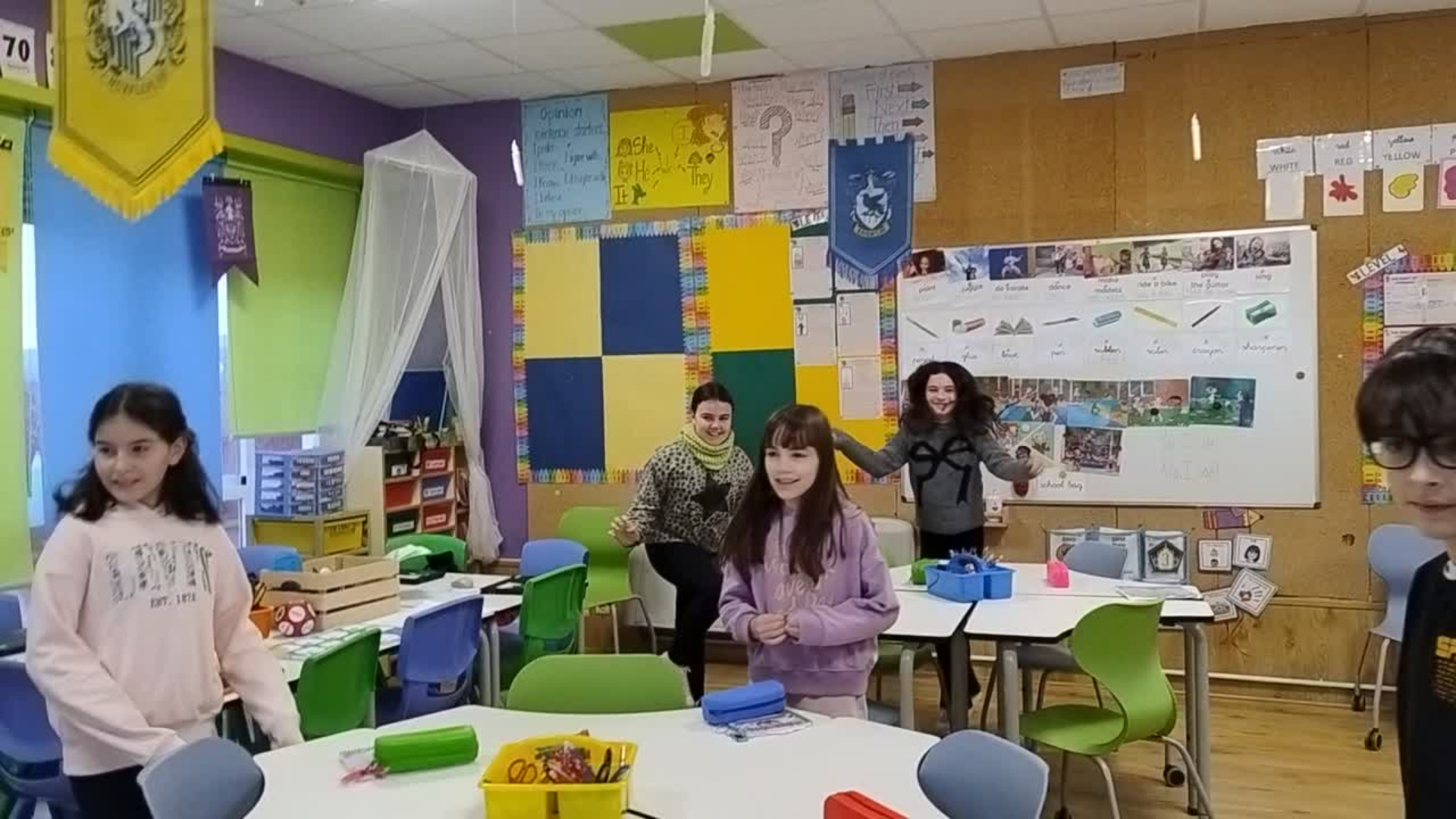
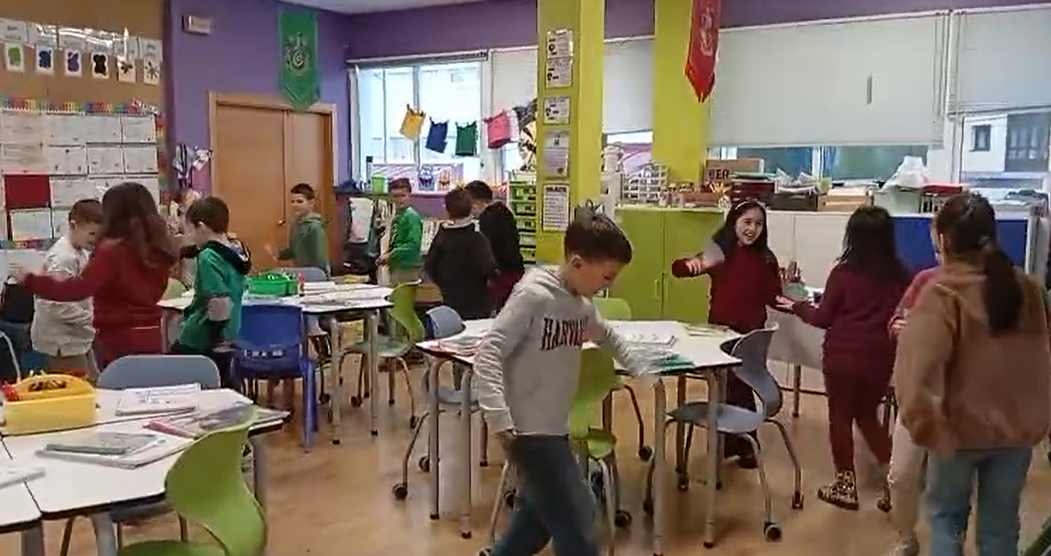
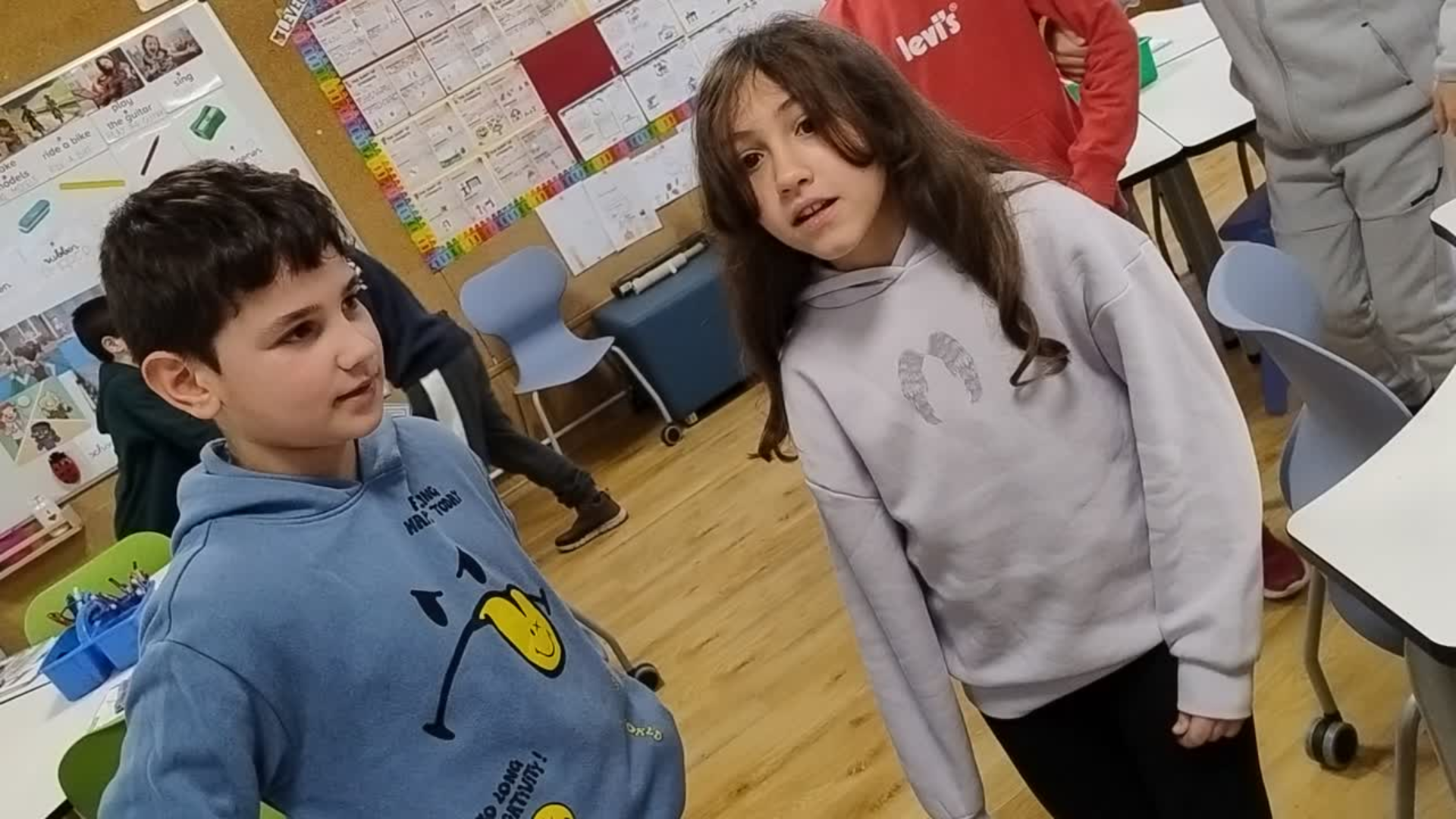
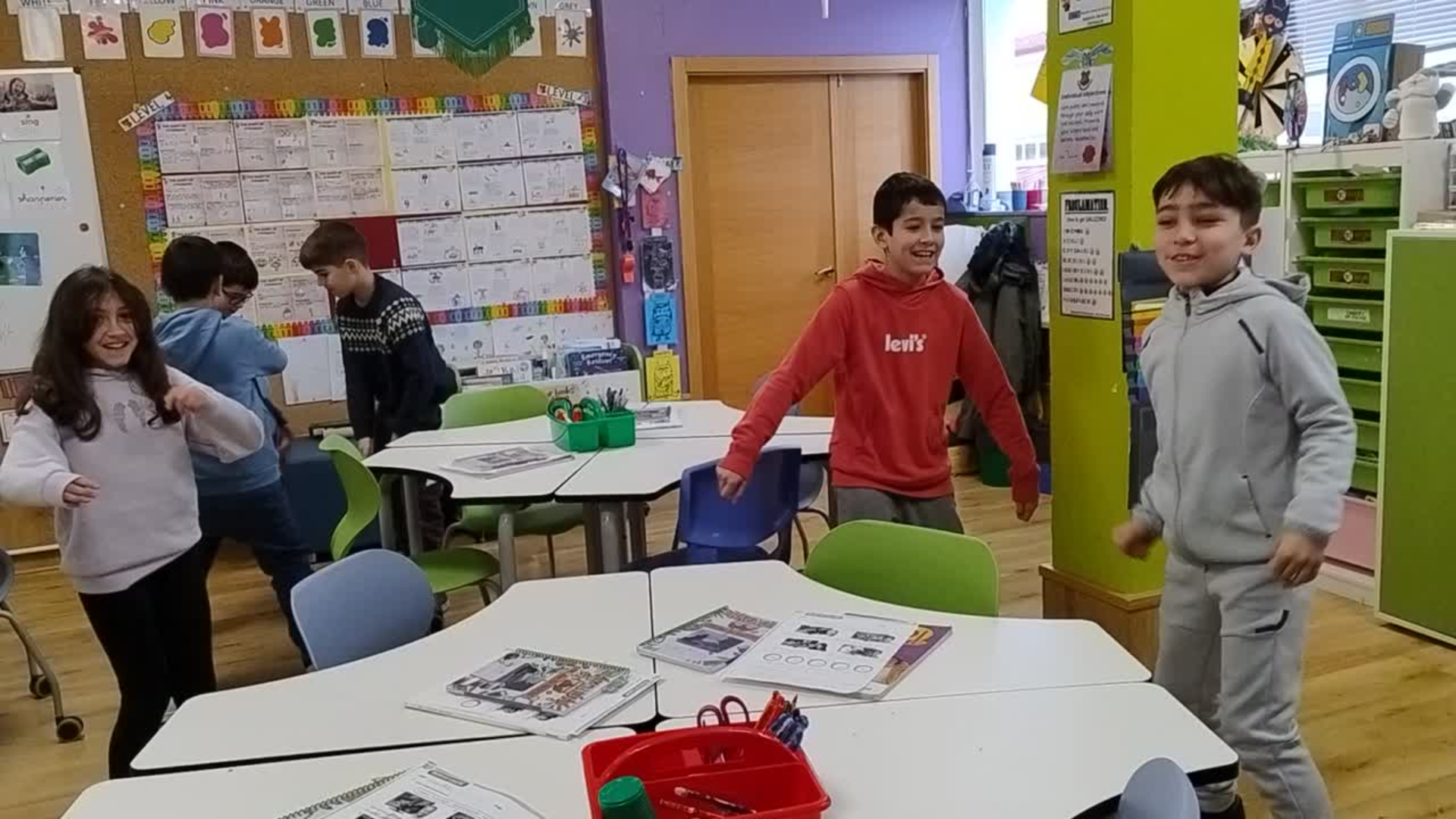
- Children walk or dance around the classroom while music is playing
- When the music stops, they must find a partner quickly
- Together, they perform a short dialogue in English
To support them, they can:
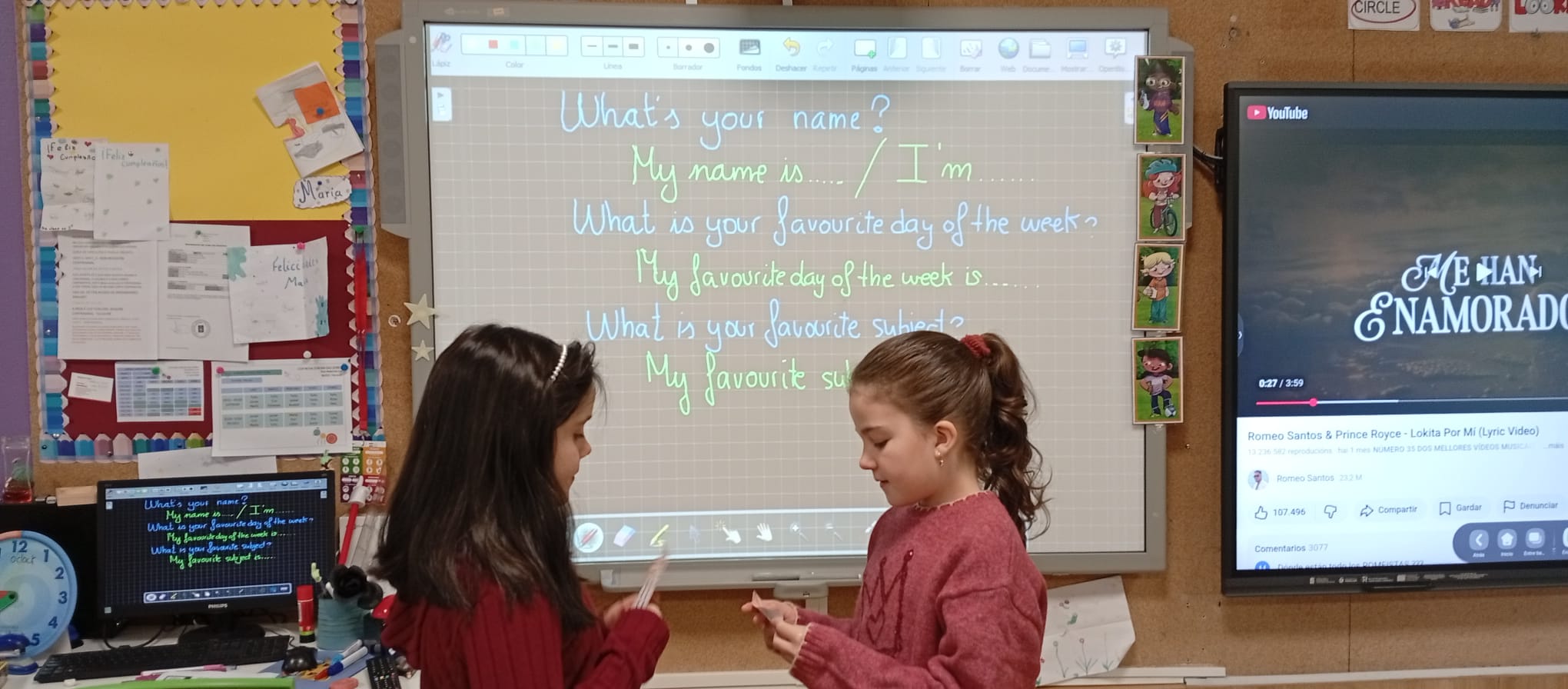
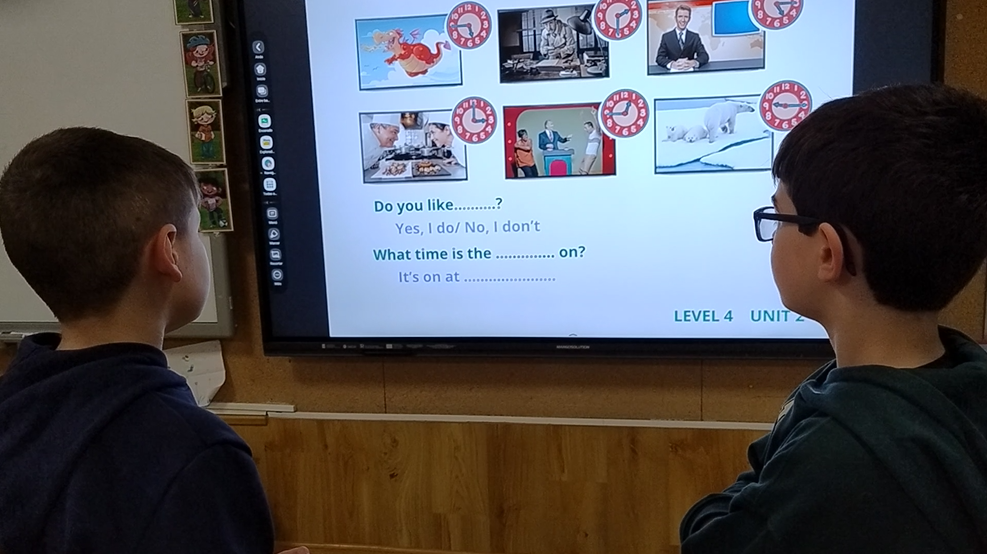
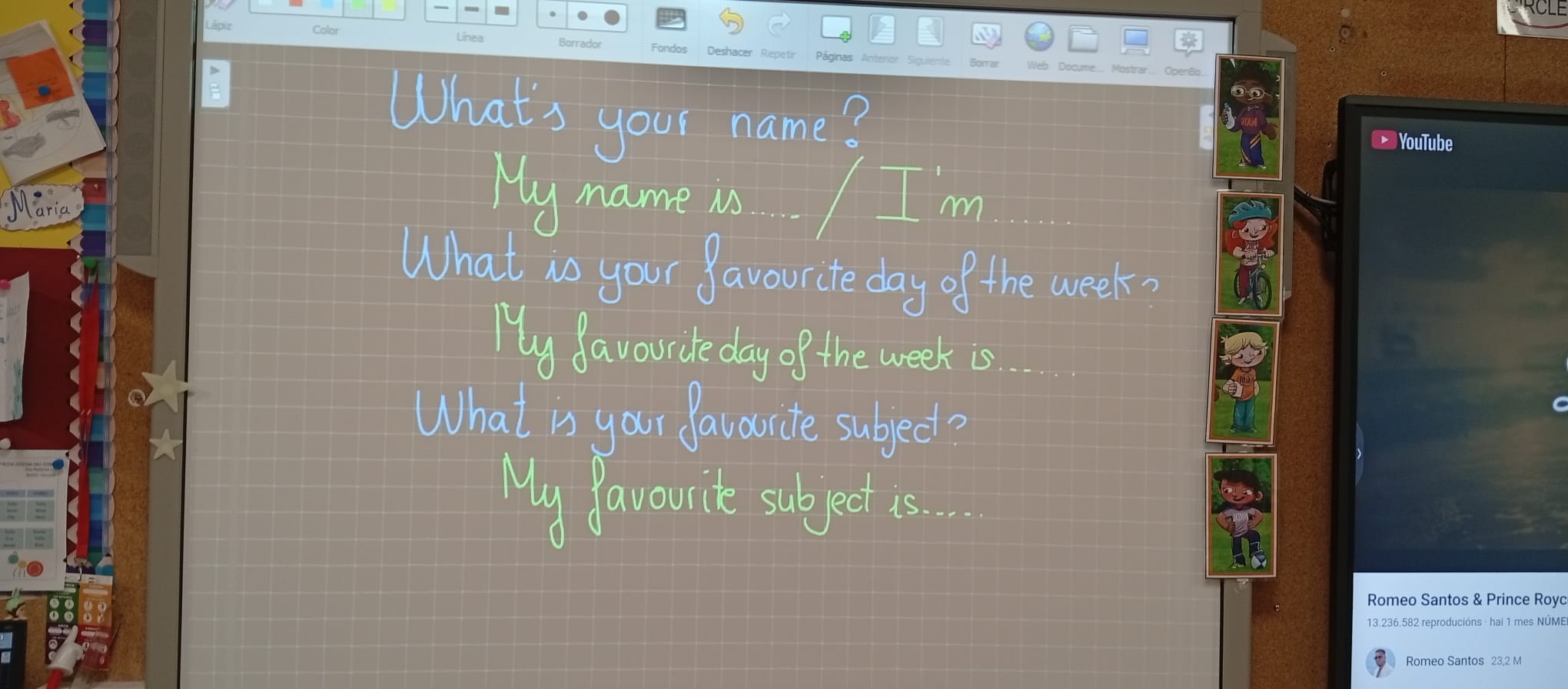
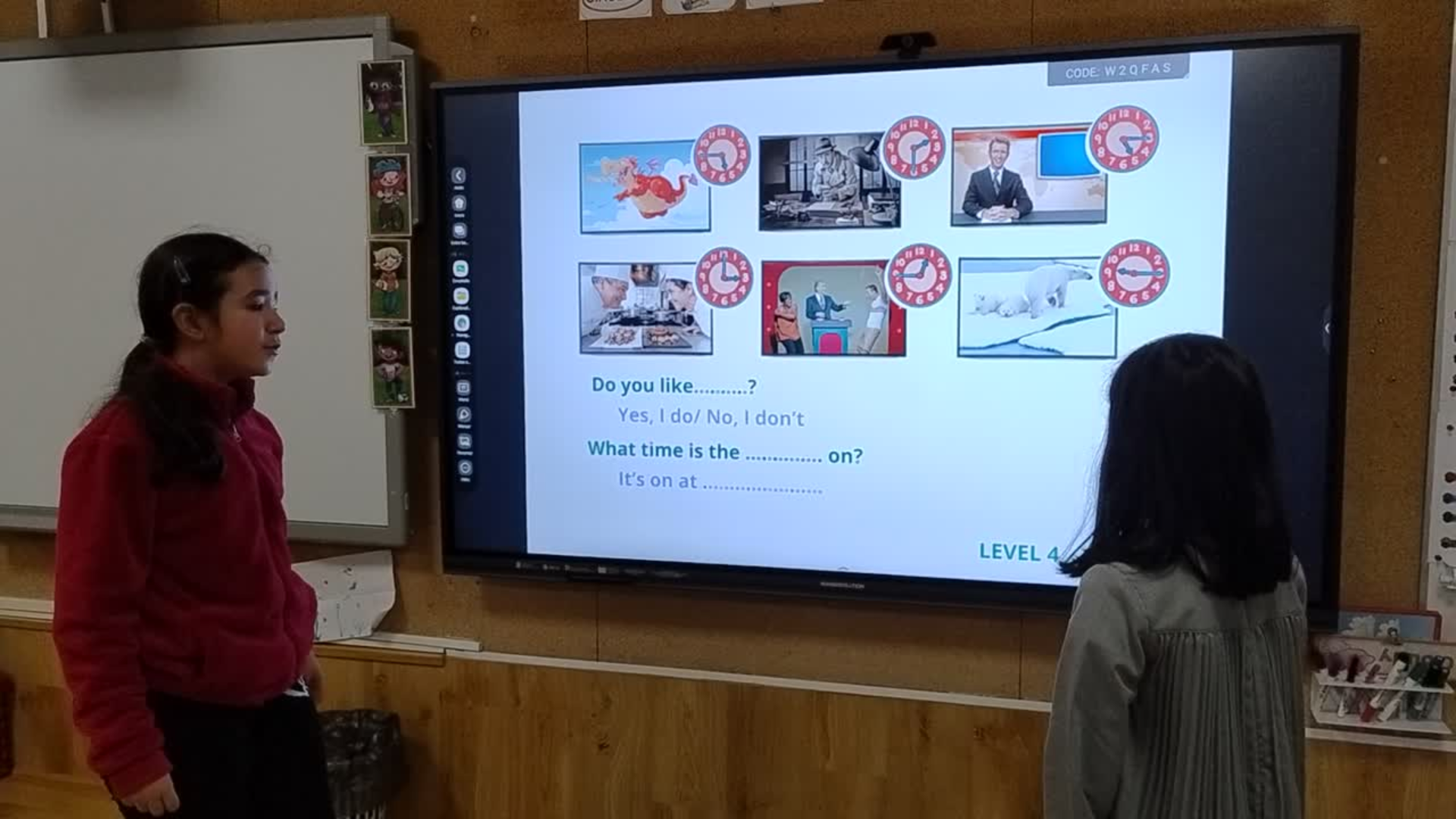
- Follow a dialogue script on the screen
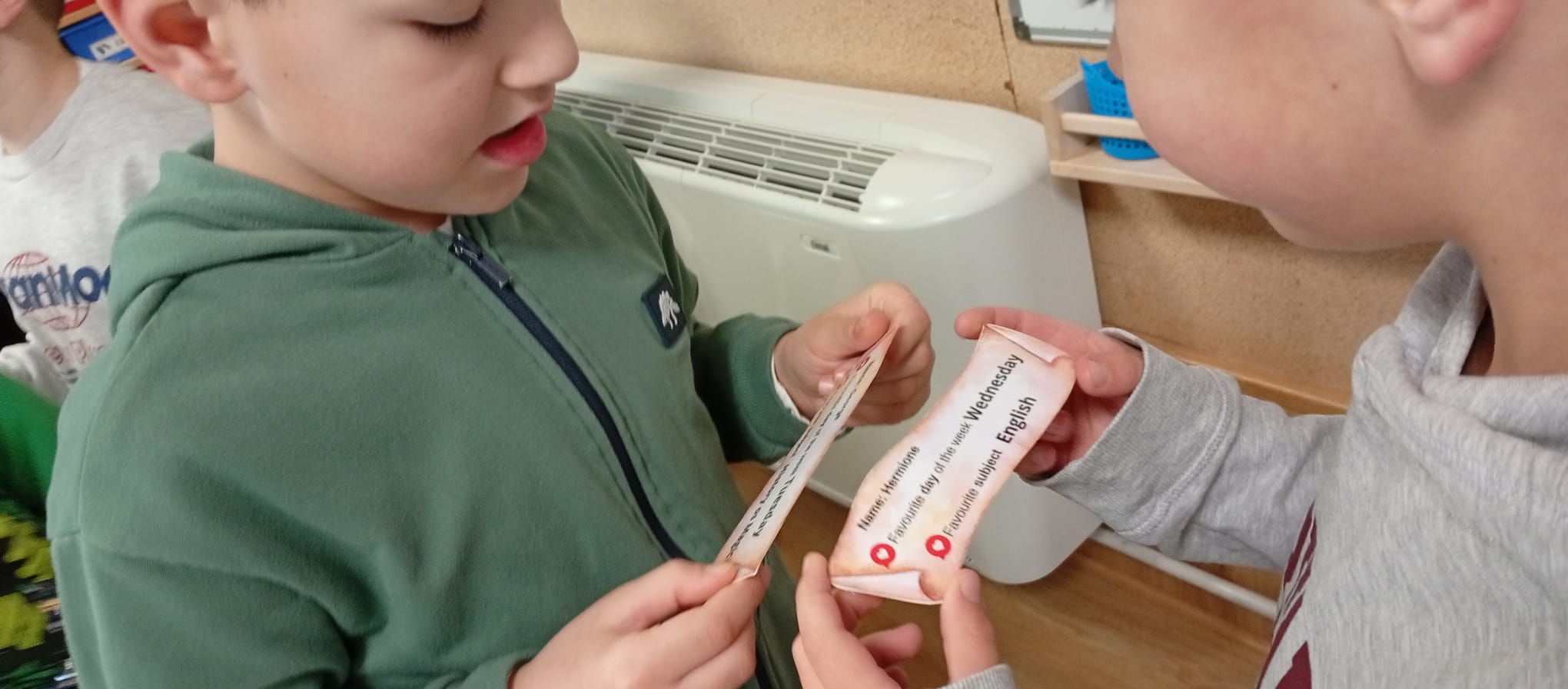
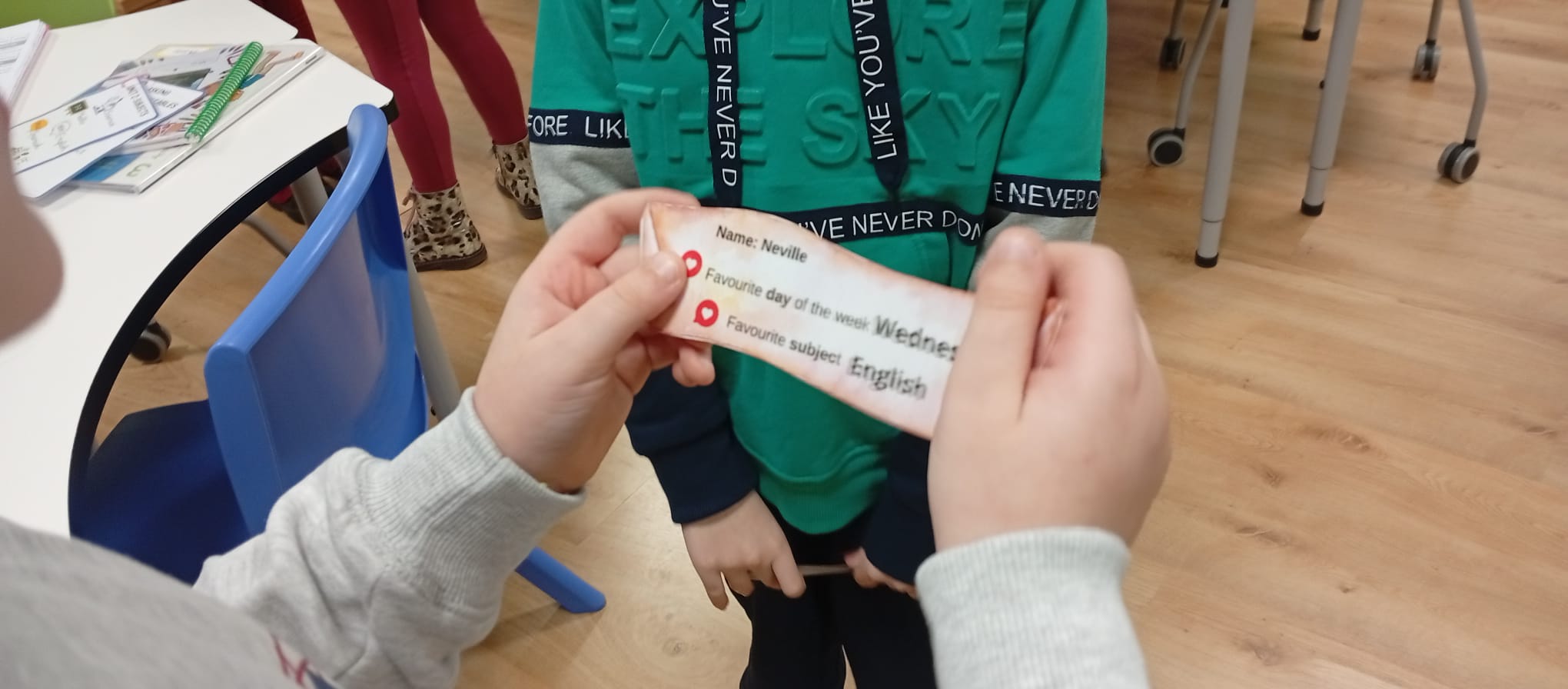
- Use individual cards with information
- Speak freely, adding their own information
Types of Walking Dialogues
- Guided dialogue
The structure appears on the screen and children follow it. - Semi-guided dialogue
Each child has a card with specific information to include. - Free dialogue
Children use the structure but add their own ideas and personal information.
Why do we use Walking Dialogues?
From a didactic point of view, this type of activity:
- Promotes meaningful oral communication
- Reduces fear of making mistakes
- Encourages active participation
- Combines movement and learning, improving attention
- Helps children practise language in a real communicative context
Walking Dialogues are especially effective in Primary Education, where movement plays a key role in learning.
When can we use this activity?
Walking Dialogues are very versatile and can be used as:
- Warm-up at the beginning of the lesson
- Practice activity after introducing new structures
- Reinforcement activity to consolidate learning
- Speaking routine throughout the school year
Tips for using Walking Dialogues in the classroom
- Keep dialogues short and clear
- Model the dialogue before starting
- Change partners often to increase interaction
- Use music and movement to keep motivation high
- Offer visual support (screen, cards, gestures)
- Focus on communication, not perfection

Nas clases de inglés, a expresión oral é fundamental. Unha das actividades que empregamos para practicar estruturas orais de forma dinámica e motivadora é Walking Dialogues.
Esta actividade permite que o alumnado fale, se mova, interactúe e goce aprendendo inglés ao mesmo tempo.
Obxectivo da actividade
- Practicar estruturas orais traballadas na aula
- Favorecer a interacción oral entre iguais
- Mellorar a confianza ao falar en inglés
Como funciona Walking Dialogues?
- O alumnado camiña ou baila pola aula mentres soa a música
- Cando a música para, teñen que buscar parella
- Realizan un pequeno diálogo en inglés
Contan con apoio a través de:
- Un guión na pantalla
- Tarxetas individuais con información
- Diálogos máis libres, achegando información propia
Tipos de Walking Dialogues
- Diálogo guiado: estrutura visible na pantalla
- Diálogo semiguiado: información en tarxetas
- Diálogo libre: estrutura base con información persoal
Valor didáctico da actividade
Esta actividade:
- Favorece a comunicación significativa
- Reduce o medo a equivocarse
- Incrementa a participación activa
- Integra movemento e aprendizaxe
- Traballa a lingua en contextos reais e funcionais
Cando empregar Walking Dialogues?
Pódese usar como:
- Actividade de quecemento (warm-up)
- Práctica de novas estruturas
- Actividade de reforzo
- Rutina oral ao longo do curso
Consellos para a aula
- Diálogos curtos e claros
- Modelado previo
- Cambio frecuente de parella
- Uso de música e movemento
- Apoios visuais
- Priorizar a comunicación fronte á corrección








 Our English Corner's Blog
Deixar un comentario