
Over the past few weeks, our Preschool and 1st Grade students have been enjoying a tasty learning adventure with the story Pete’s Big Lunch. Through this fun and simple book, we have been discovering new English words about food and learning how to talk about what we like and don’t like.
Nas últimas semanas, o alumnado de Infantil e 1º de Primaria gozou dunha sabrosa aventura de aprendizaxe co conto Pete’s Big Lunch. A través desta historia divertida e sinxela, descubrimos palabras novas en inglés sobre os alimentos e aprendemos a falar sobre o que nos gusta e o que non.
Why did we start with a story?
Stories like Pete’s Big Lunch help us introduce new topics in a fun and meaningful way. The character Pete the Cat prepares a huge lunch and shares it with his friends. Through repetition and simple sentences, the children hear new words in context and feel confident to use them.
Stories give meaning to the vocabulary—they are not just learning words, they are using them to play, act, and speak!
Os contos como Pete’s Big Lunch axúdannos a introducir novos temas dun xeito divertido e con significado. O gato Pete prepara un xantar xigante e decide compartilo cos seus amigos. Con frases repetitivas e sinxelas, os nenos e nenas escoitan novas palabras en contexto e anímase a usalas.
O vocabulario, así, cóbralle sentido: non só aprenden palabras, senón que as usan para xogar, actuar e expresarse.
What have we worked on?
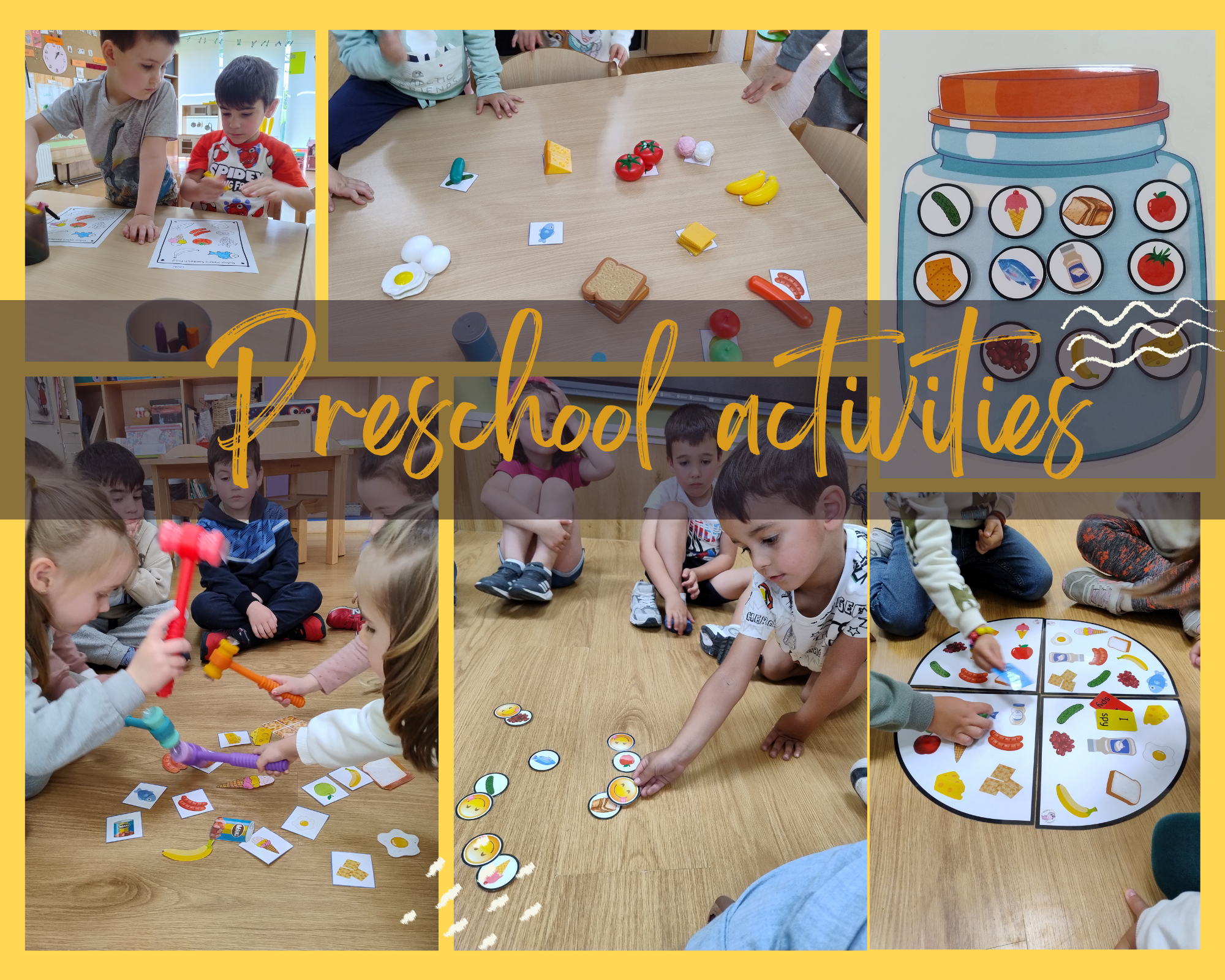
👶 In Preschool, we focused on:
- Listening and recognizing words with games like “Who took the candy from the candy jar?”
- Movement games like “Listen and find”, where they searched for hidden food images around the classroom.
- Speaking with visuals:
👉 “I like bananas.”
👉 “I don’t like tomatoes.” - Pre-writing practice with simple food-related words, adapted to each child’s level.
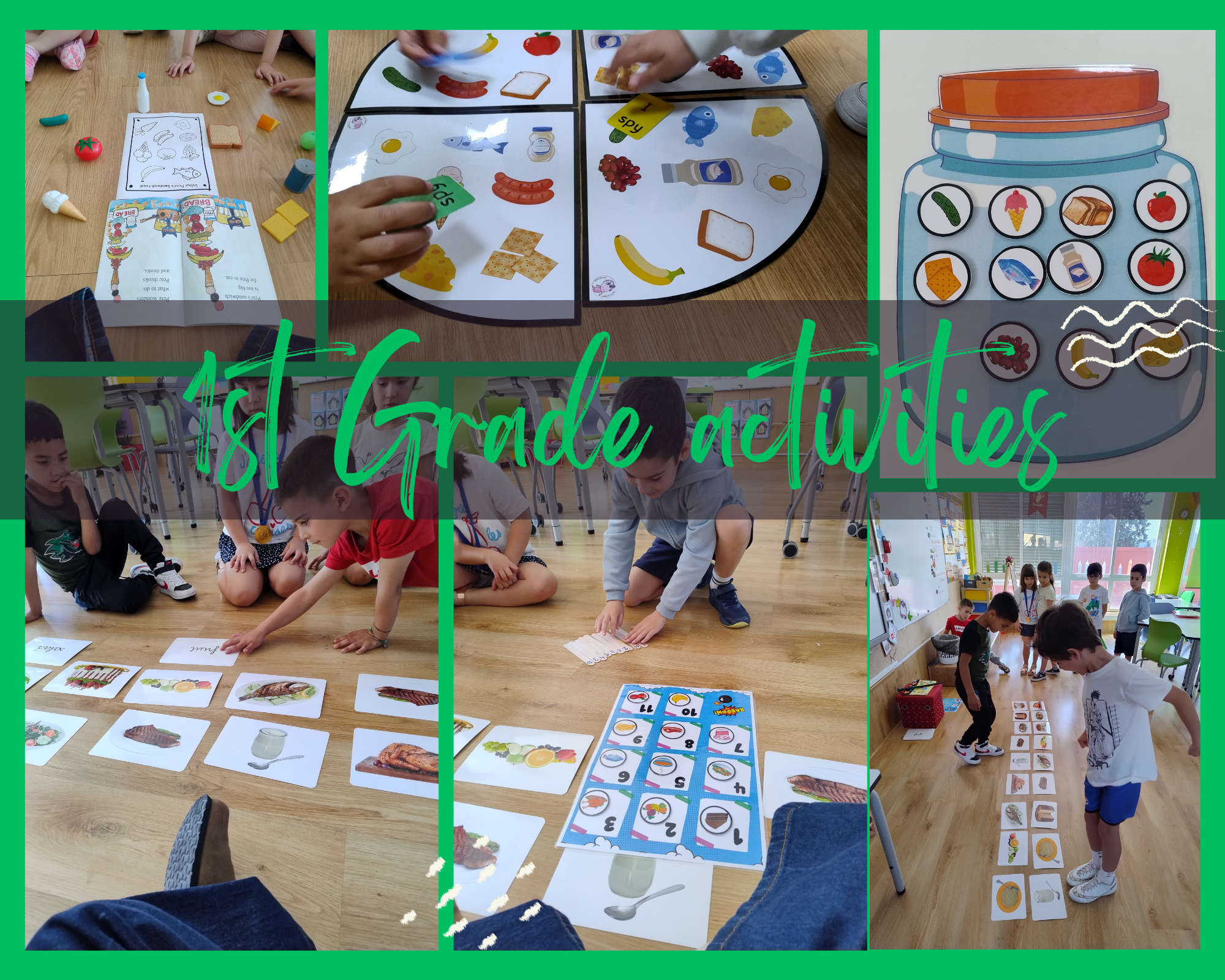
🧒 In 1st Grade, we went a step further:
- Vocabulary games like:
🎯 “Catch the fly” (grab the correct image or word),
👁️ “I spy with my little eye…”,
💻 and even a fun Kahoot to play together. - More movement and listening games to match sounds and images.
- Speaking using “Do you like…?” to ask and answer:
🤔 “Do you like cheese?”
😊 “Yes, I do!” / 😖 “No, I don’t!” - Writing food words, with images and group practice.
Final Project: My Food Glossary
Each student created a small illustrated glossary with the food words they learned and drawings showing what they like or don’t like. It’s a fun way to review and take pride in what they’ve learned!
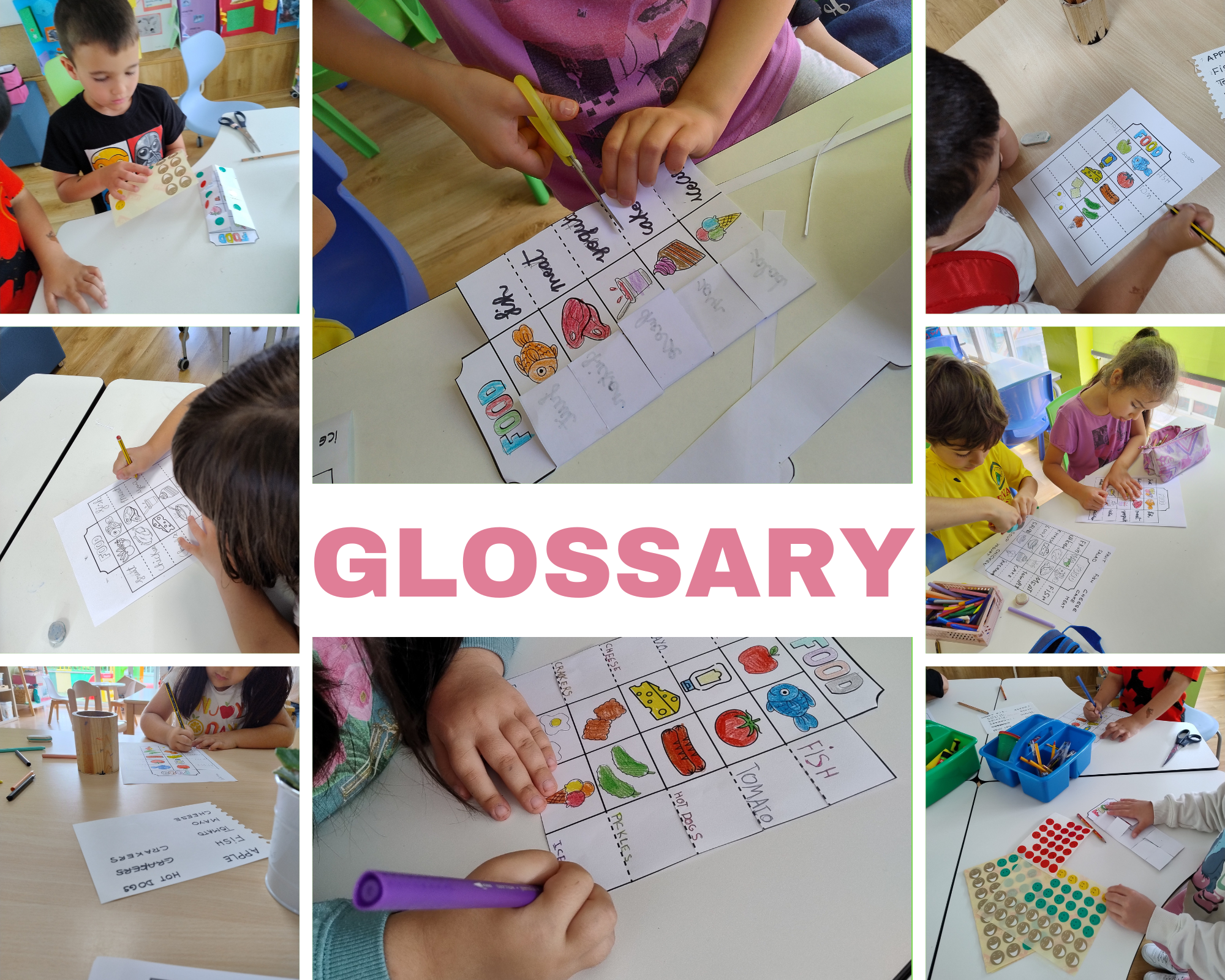
Cada neno e nena elaborou un pequeno glosario personalizado con debuxos dos alimentos aprendidos e das súas preferencias. Un xeito divertido de repasar, reflexionar e valorar o aprendido.
Why is this important?
At this age, learning English is like planting a seed. The more we water it with stories, games, songs and joy, the stronger it grows!
With these activities, children:
- Build vocabulary naturally
- Gain confidence to speak
- Improve listening and understanding
- Enjoy learning through play
Aprender inglés nestas idades é como plantar unha semente: canto máis xogamos, contamos e cantamos, máis crece a súa confianza e curiosidade.
Con estas actividades:
- Aprenden vocabulario de xeito natural
- Atrévense a falar en inglés
- Melloran a escoita e a comprensión
- Gozan mentres aprenden
Here you can find some of the materials and resources we used during our Pete’s Big Lunch project. Feel free to explore them at home and keep learning together!
Vocabulary Cards Download PDF – Food Flashcards
My Food Glossary Download PDF
Writing food words Download PDF
I Spy Game Download PDF
Kahoot Image Pack Download PDF
Activity Sheets Download PDF
#PeteTheCat #PetesBigLunch #LearnEnglishThroughStories #EnglishForKids #EarlyEnglishLearning #FoodVocabulary #StoryBasedLearning #EnglishInPreschool #EnglishInPrimary #LearningIsFun #PlayAndLearn #EnglishThroughPlay #YoungLearners #FunWithEnglish #EnglishWithPete #TPRActivities #SpeakingInEnglish #KidsLoveEnglish #GamifiedLearning #CreativeClassroom







 Our English Corner's Blog
Deixar un comentario