This is new in our English class!
These past weeks, we’ve started using exit tickets at the end of our English lessons. They are short, playful tasks that help students reflect and show what they’ve learned — in a fun and active way!
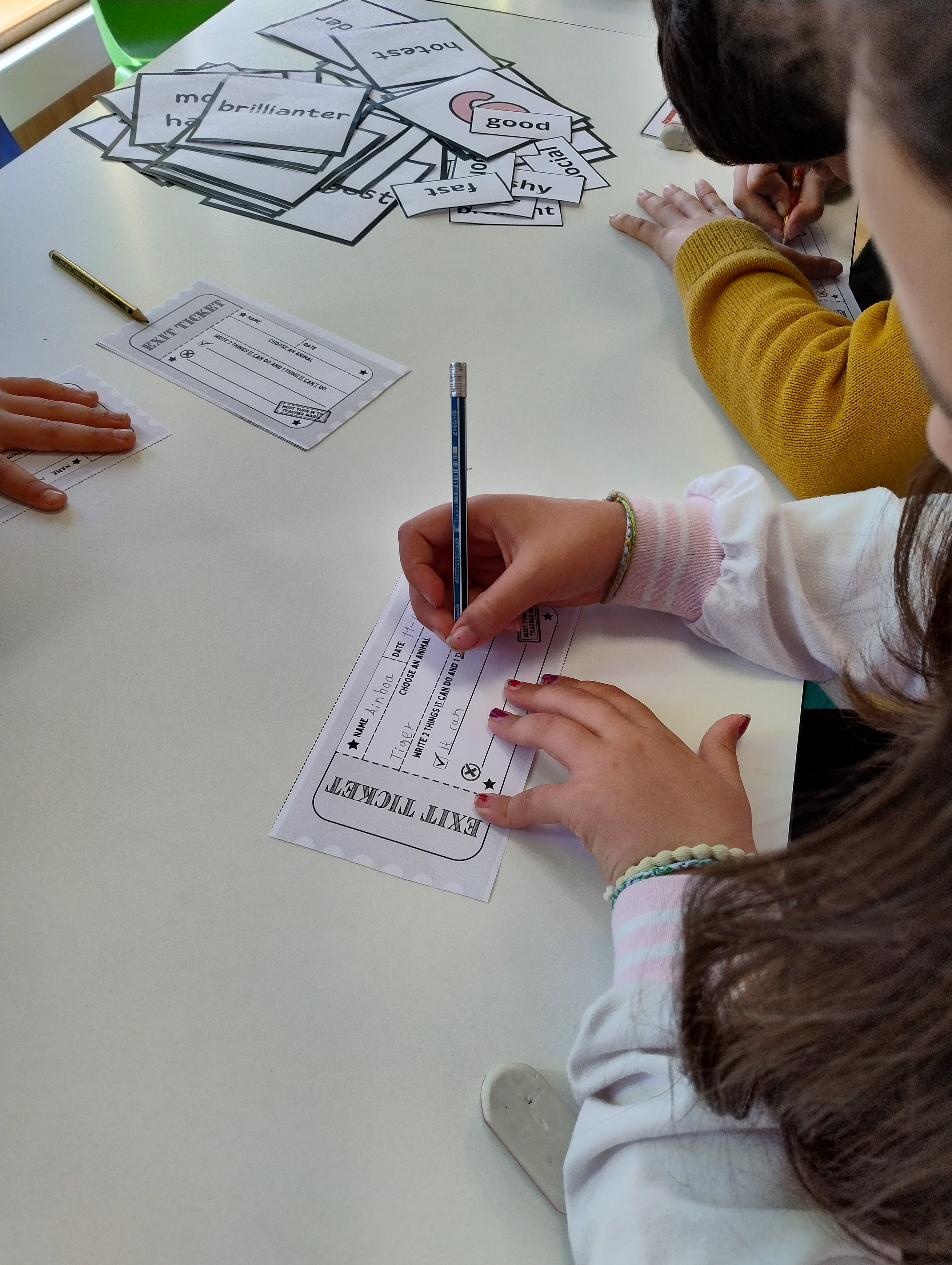
Estas últimas semanas comezamos a empregar os exit tickets ao final das sesións de inglés. Son tarefas curtas e lúdicas que axudan ao alumnado a reflexionar e amosar o que aprenderon… ¡dun xeito divertido e activo!
What exactly are exit tickets?
Exit tickets are short tasks that students complete before “leaving” the classroom.
They can be written, spoken, digital, or even physical/kinesthetic. They allow us to:
✅ Gather evidence of learning
✅ Identify misunderstandings or gaps
✅ Promote metacognition
✅ Provide immediate and continuous feedback
✅ Introduce playful challenges and game-based dynamics
But most of all… they are a great opportunity to close the lesson with purpose and meaning!

Os exit tickets son tarefas breves que o alumnado completa antes de “saír” da aula.
Poden ser escritas, orais, dixitais ou mesmo kinestésicas. Permítennos:
✅ Recoller evidencias da aprendizaxe.
✅ Identificar dúbidas ou conceptos non comprendidos.
✅ Promover a metacognición.
✅ Ofrecer feedback inmediato e continuo.
✅ Introducir dinámicas de xogo.
Benefits of Exit Tickets
✅ Review and reinforce
✅ Reflect on learning
✅ Give and receive feedback
✅ End the class in a playful, meaningful way
✅ Repasar e reforzar
✅ Reflexionar sobre o aprendido
✅ Recibir e dar feedback
✅ Pechar a clase de xeito lúdico e significativo
Feedback + Exit Tickets = Potencia de aprendizaxe!
You can add simple but meaningful feedback to our exit tickets: a keyword, a sticker, a smiley face, or a short comment. Sometimes, we review them together to celebrate good ideas or fix common mistakes. Students can keep them in their Learning Passport to track progress!.
My students keep them in their English notebook and earn a coin for their Progress Journal when they complete them.
Older students even self-assess their learning and reflect on how much they’ve improved!
Acompañamos os exit tickets cun feedback sinxelo pero significativo: unha palabra clave, unha pegatina, unha cariña, ou un pequeno comentario. Ás veces revísanse en grupo para destacar boas ideas ou corrixir erros frecuentes. O alumnado pode gardalos no seu Learning Passport para ver a súa evolución!
O meu alumnado gárdaos na súa libreta de inglés e consegue unha moeda para o seu Progress Journal cando os completa.
O alumnado maior mesmo autoavalía a súa aprendizaxe e reflexiona sobre o seu progreso!
Why do we love them?
✔️ Quick review
✔️ Student voice
✔️ Personalized feedback
✔️ Visible progress
✔️ Repaso rápido
✔️ Voz do alumnado
✔️ Feedback personalizado
✔️ Progreso visible
And now… we’re sharing the exit tickets we used these past weeks — ready to download, print, and use!
📥 Exit tickets available for download:
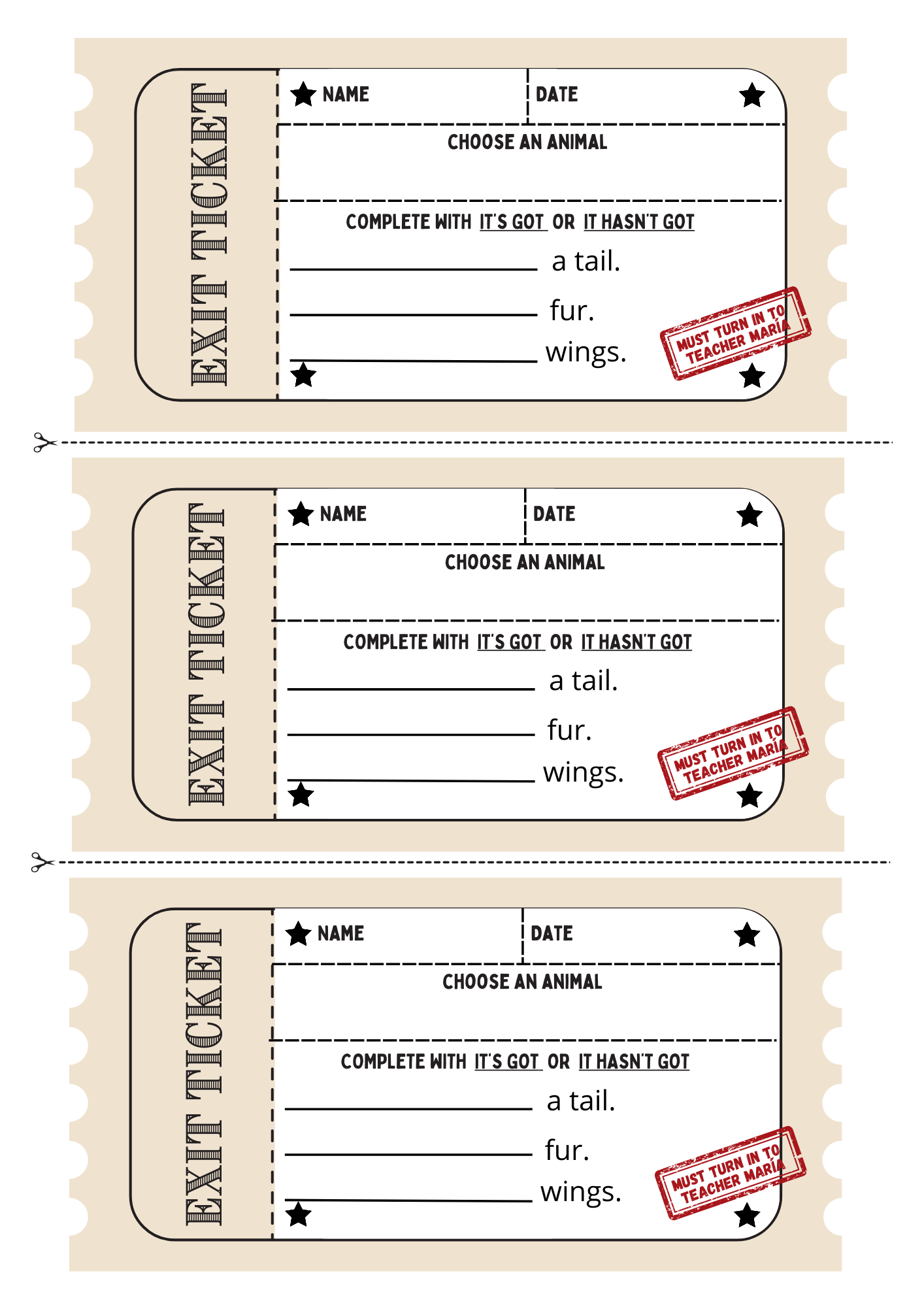
🔹 3rd grade: can/can’t & has got
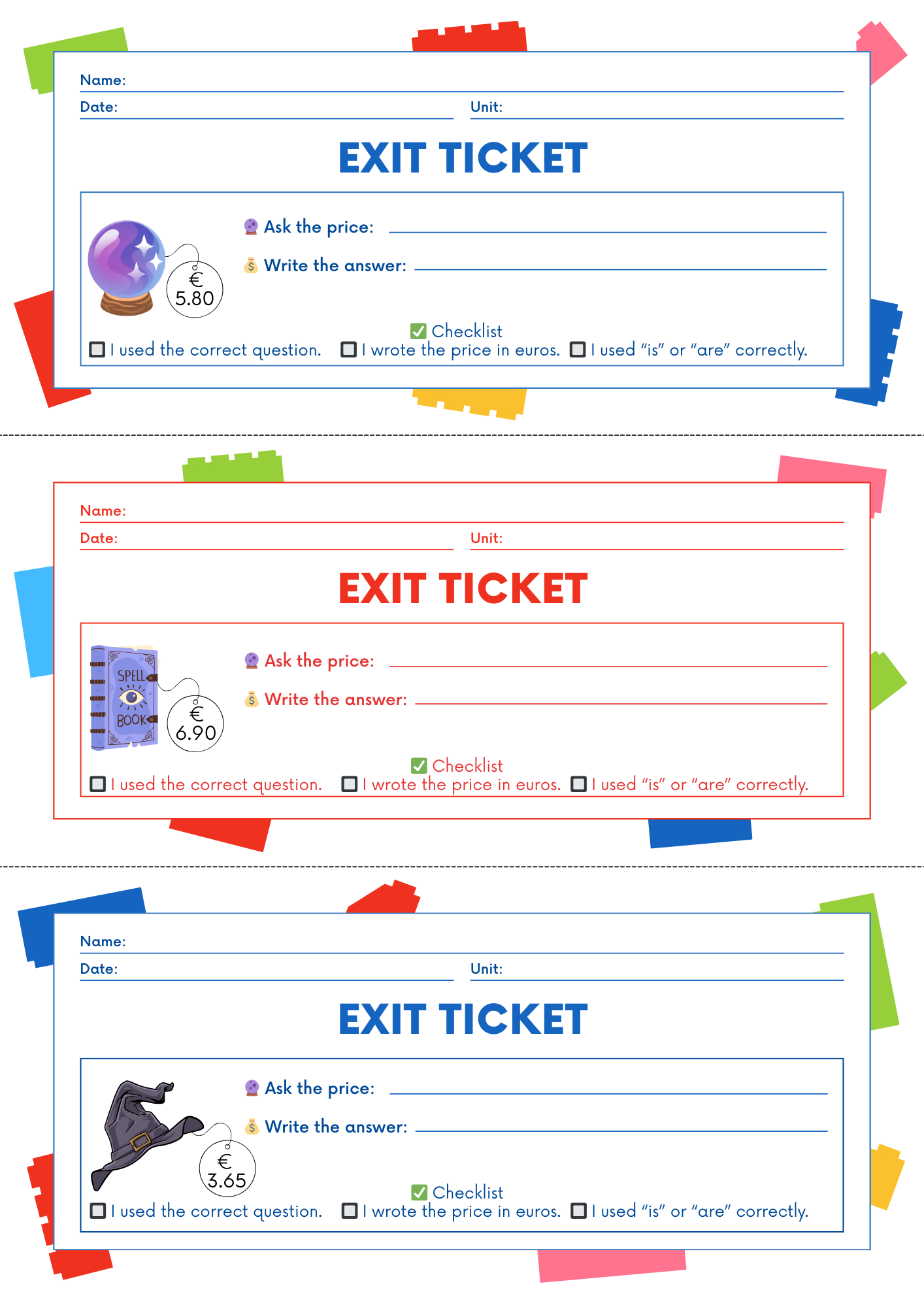
🔹 4th grade: how much…? & prices (practical shopping vocabulary)
🔹 5th grade: comparatives (bigger, faster, older…)
🔹 6th grade: superlatives (the best, the biggest, the most exciting…)
#ExitTickets #ClassroomGamification #PrimaryEnglish #MeaningfulLearning#FormativeFeedback #ActiveLearning #TeachingEnglish #ESLResources#BilingualEducation #TeacherTools#CanCant #HasGot#HowMuch #Comparatives#Superlatives #LessonClosures#ProgressJournal #SelfAssessment#CollaborativeLearning#InnovativeTeaching #LearningIsFun #ActiveMethodologies








 Our English Corner's Blog
Deixar un comentario